Slow Cooker Beef Ragu with Pappardelle
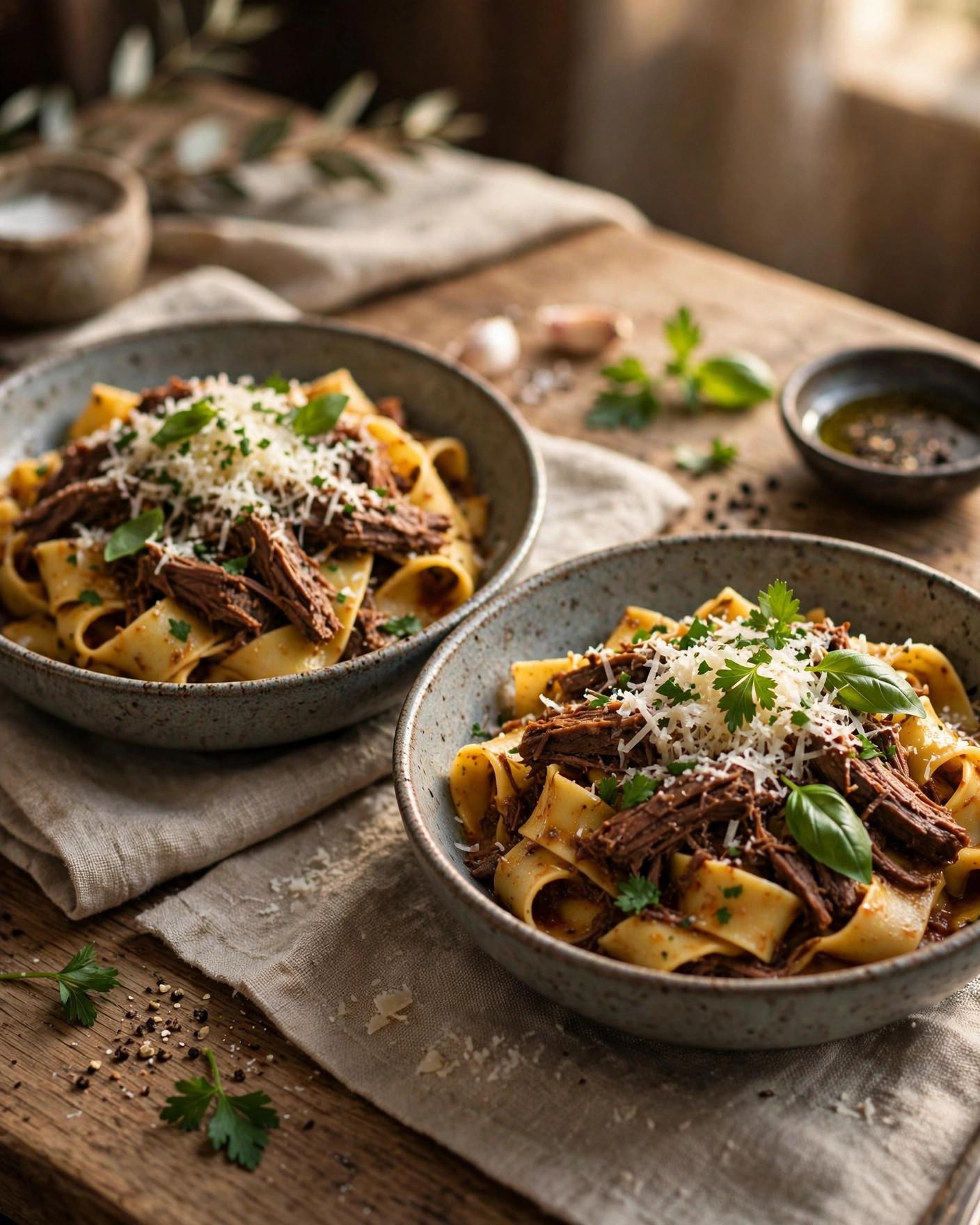
Some sauces are worth waiting for, and Slow Cooker Beef Ragu is one of them. Chunks of beef chuck, seared until deeply browned, settle into crushed tomatoes with onion, carrots, celery, and garlic, and then the slow cooker takes over for hours. The beef turns silky and shred-tender, the vegetables melt into the sauce, and by suppertime you have a rich, spoon-coating ragu that tastes like it simmered on the stove all afternoon — because, in the best possible way, it did.
The pasta matters here, too. Wide ribbons of pappardelle are made for a sauce like this: every strand catches shreds of beef and a little of the tomato sauce, so no bite feels plain. The pasta cooks separately, in well-salted boiling water, while you shred the beef and stir it back into the cooker. That separation is deliberate. Pasta cooked for hours in a slow cooker turns soft and swollen, while pasta boiled on its own stays tender with a gentle bite and tosses beautifully through the hot ragu.
A short sear at the start is the one hands-on step that really earns its place. Browning the beef first builds a deep, savory crust that colors the whole sauce, and softening the tomato paste in the hot pan wakes up its concentrated flavor. After that, the work is mostly patience. Italian herbs, bay leaves, beef broth, and an optional splash of red wine round everything out, and a shower of Parmesan at the table brings the salty finish this kind of dinner deserves.
This is a generous recipe, built for eight servings, which makes it just as right for a family Sunday as it is for a relaxed dinner with friends. It also holds well on warm, reheats kindly, and freezes beautifully, so making the full batch is almost always the smart move. Set it going in the morning, and the hardest decision left by evening is how much Parmesan counts as enough. It is also a forgiving dinner to schedule: once the cooker is loaded, there is nothing to stir, baste, or watch, and the finished ragu waits patiently on warm while you set the table, boil the pasta, and gather everyone without any last-minute rush at the stove.
Why You'll Love This Recipe
- Deep, slow-simmered flavor with very little hands-on time. A quick sear and about 25 minutes of prep are all the active work; the cooker does the long, gentle cooking while the beef turns tender and the tomatoes grow rich and mellow.
- Truly shred-tender beef. Beef chuck, cooked low and slow until it pulls apart with a fork, gives you those soft, juicy shreds that mingle with the sauce instead of sitting on top of it in cubes.
- A sauce with real body. Crushed tomatoes, tomato paste, finely diced vegetables, and the beef's own juices cook down into a thick, glossy ragu that clings to wide pasta ribbons instead of pooling in the bowl.
- Flexible about the wine. A little red wine adds depth if you have a bottle open, and extra beef broth steps in seamlessly if you do not — the recipe is written so either choice gives you a full-flavored sauce.
- Feeds a crowd, loves leftovers. Eight hearty servings from one cooker means dinner today and an even better lunch tomorrow, and the ragu freezes well for a future pasta night with almost no work.
- Comforting without being fussy. Everything here is a familiar grocery-store ingredient, the steps are calm and forgiving, and the finish — hot pasta, hot ragu, Parmesan — feels special enough for company. It is the kind of recipe that feels generous on an ordinary Tuesday and completely at ease on a Sunday table with guests.

Ingredients
For the beef ragu
- 3 pounds (1.4 kg) beef chuck roast, cut into 2-inch (5 cm) chunks, patted dry
- 1 1/2 teaspoons fine sea salt, plus more to taste
- 1 teaspoon black pepper, freshly ground if possible, plus more to taste
- 2 tablespoons olive oil, for searing, plus more if needed
- 1 large yellow onion (about 2 cups / 300 g), finely diced
- 2 medium carrots (about 1 cup / 130 g), peeled and finely diced
- 2 celery stalks (about 3/4 cup / 90 g), finely diced
- 5 cloves garlic, minced (about 1 1/2 tablespoons)
- 3 tablespoons tomato paste
- 1/2 cup (120 ml) dry red wine, optional, or an additional 1/2 cup (120 ml) beef broth
- 1 can (28 ounces / 800 g) crushed tomatoes
- 1 cup (240 ml) low-sodium beef broth, plus the extra above if skipping the wine
- 2 teaspoons Italian seasoning
- 1 teaspoon dried oregano
- 1/2 teaspoon granulated sugar, optional, to balance acidity
- 1/4 teaspoon red pepper flakes, optional
- 2 bay leaves
For the pasta and serving
- 16 ounces (450 g) dried pappardelle
- Fine sea salt, for the pasta water
- 3/4 cup (75 g) finely grated Parmesan cheese, plus more for serving
- 1/4 cup (15 g) fresh flat-leaf parsley or basil leaves, chopped, for serving
- Freshly ground black pepper, for serving
Why these ingredients matter
Beef chuck roast. Chuck is the right cut for ragu because it is well marbled and rich in connective tissue, and that tissue is exactly what turns silky during a long, moist cook. Leaner cuts dry out over seven or eight hours, while chuck relaxes, absorbs the tomato sauce, and pulls apart into soft shreds. Cut it into even 2-inch (5 cm) chunks so every piece sears well and finishes tender at the same time.
Salt and black pepper. Seasoning the beef generously before it sears means the salt and pepper are part of the crust, not an afterthought sprinkled over finished sauce. The ragu also reduces slightly as it cooks, so seasoning in layers — beef first, then a final taste at the end — keeps the flavor deep without ever tipping into harsh or salty.
Olive oil. A thin film of oil is what lets the beef make full contact with the hot pan and brown instead of steam. Browning in batches, without crowding, builds the dark, savory fond on the bottom of the skillet, and those browned bits are pure flavor once the wine or broth loosens them into the sauce.
Onion, carrots, and celery. This classic trio, diced small, is the quiet backbone of the sauce. Onion brings sweetness, carrots add gentle earthiness and a little natural sugar, and celery contributes a savory depth that keeps the tomatoes from tasting one-note. Diced finely, they soften completely during the long cook and practically melt into the ragu, thickening it as they disappear.
Garlic. Five cloves may sound generous, but garlic mellows considerably over hours of slow cooking, settling into a warm, savory background note rather than a sharp bite. Adding it with the vegetables, after the sear, protects it from scorching in the hot skillet while still letting its flavor perfume the whole cooker.
Tomato paste. Tomato paste is concentrated tomato flavor with the water already cooked out, so a few tablespoons add remarkable depth and help the sauce hold together. Stirring it briefly in the hot pan before the liquid goes in toasts it slightly, softening its raw, tinny edge and deepening its color — a small step with an outsized payoff.
Red wine, or extra broth. Wine adds acidity and a layered, slightly fruity depth that suits beef and tomatoes very well, and it is excellent for loosening the browned bits from the skillet. It is entirely optional here: the same amount of extra beef broth gives you a rounder, beef-forward sauce instead. Choose whichever fits your table; the ragu is built to taste complete either way.
Crushed tomatoes and beef broth. Crushed tomatoes give the sauce its body — thicker than diced tomatoes, smoother than whole ones — and they break down further as they cook into a cohesive ragu. Beef broth adds savory depth and just enough liquid to keep the cooker moist without turning the sauce soupy. Low-sodium broth is the practical choice, because it leaves the final seasoning in your hands.
Italian seasoning, oregano, and bay leaves. Italian seasoning brings a balanced blend of basil, oregano, thyme, and rosemary, while the extra oregano leans into the classic tomato-sauce character. Bay leaves work quietly in the background, adding a subtle herbal depth you would miss if it were gone. Remember to fish the bay leaves out before serving; they have done their job by then.
Sugar and red pepper flakes, both optional. Tomatoes vary, and a small pinch of sugar can round off a sauce that tastes sharply acidic, without making it sweet. The red pepper flakes are equally gentle — a quarter teaspoon spread through eight servings adds warmth rather than heat. Taste the finished ragu first, then adjust either one to suit your household.
Pappardelle and Parmesan. Pappardelle's wide, flat ribbons are the traditional partner for ragu because they hold a generous amount of sauce and beef in every forkful. If the strands are very long, a quick toss with tongs is all they need. Parmesan, added at the table, brings salt, savoriness, and that final creamy edge that ties beef, tomato, and pasta together. Fresh parsley or basil scattered over the bowls at the end adds color and a clean, herbal lift that keeps the rich sauce from feeling heavy, so do not skip it if you have fresh herbs on hand.
Instructions
- Prepare the beef and vegetables. Cut the chuck roast into 2-inch (5 cm) chunks, trimming away any large pieces of hard surface fat but leaving the marbling within the meat. Pat the chunks very dry with paper towels — dry beef sears, damp beef steams — then season them all over with the salt and black pepper. Finely dice the onion, carrots, and celery, keeping the pieces small and even so they soften fully, and mince the garlic. Set everything near the stove; the searing goes quickly once the pan is hot.
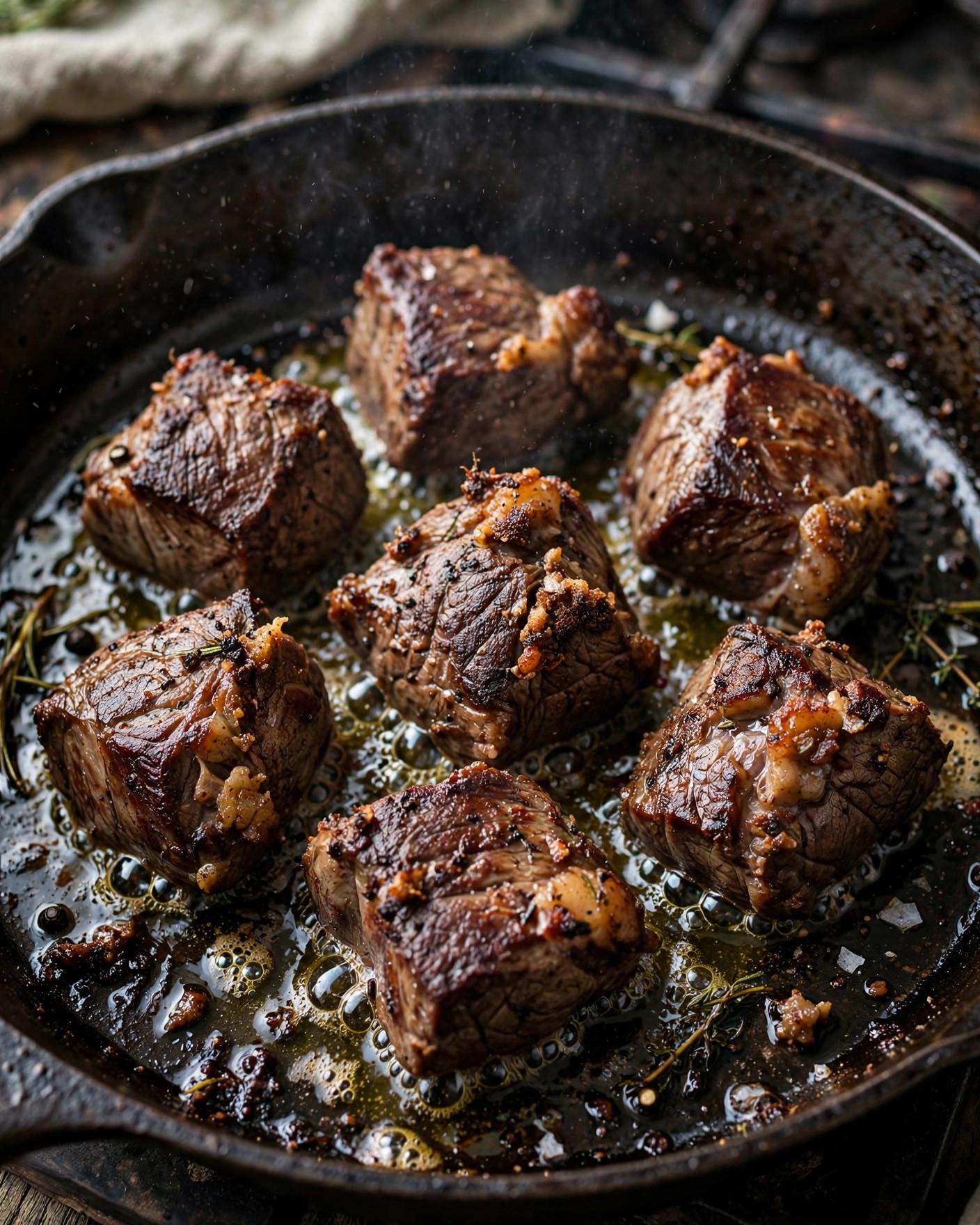
- Sear the beef in batches. Heat the olive oil in a large, heavy skillet over medium-high heat until it shimmers. Add about half the beef in a single layer with space between the pieces, and sear for 3 to 4 minutes per side, until deeply browned. Transfer the browned beef to the slow cooker insert, then repeat with the remaining beef, adding a little more oil if the pan looks dry. Do not rush this step or crowd the pan; the dark crust you build here colors and flavors the entire sauce.
- Soften the vegetables and tomato paste. Reduce the heat under the skillet to medium. Add the onion, carrots, and celery to the same pan, stirring them through the browned drippings, and cook for 4 to 5 minutes, until the onion is softened and translucent at the edges. Stir in the garlic and cook for 30 seconds, just until fragrant. Add the tomato paste and cook, stirring constantly, for 1 to 2 minutes, until it darkens slightly and coats the vegetables. This brief toasting takes the raw edge off the paste.
- Deglaze the pan. Pour in the red wine, if using, or the extra 1/2 cup (120 ml) of beef broth, and scrape the bottom of the skillet with a wooden spoon to lift every browned bit. Let the liquid bubble for 1 to 2 minutes, until it has reduced slightly and smells rich rather than sharp. Everything in this pan — liquid, vegetables, and drippings — is flavor, so leave nothing behind when you move to the cooker in the next step.
- Load the slow cooker. Tip the vegetable mixture and all of its liquid over the seared beef in the slow cooker. Add the crushed tomatoes, the 1 cup (240 ml) of beef broth, the Italian seasoning, oregano, sugar if using, and red pepper flakes if using, then stir gently so the beef is mostly covered and the seasonings are distributed. Tuck the bay leaves down into the sauce. The cooker should look full and saucy but not watery; the beef will release more juices as it cooks. The liquid should come most of the way up the beef without drowning it completely, because the meat and vegetables will release additional juices as they cook and the sauce concentrates into its final, clinging consistency.
- Cook on LOW or HIGH until shred-tender. Put the lid on securely and cook on LOW for 7 to 8 hours or on HIGH for 4 to 5 hours, until the beef is completely tender and pulls apart easily when pressed with a fork. Try not to lift the lid during cooking, as each peek releases heat and adds time. Beef for slicing is safe at 145°F (63°C) with a 3-minute rest, but shredding is a different goal: chuck becomes truly shred-tender much later, around 200 to 205°F (93 to 96°C), when its connective tissue has melted. Judge doneness by that fork-tender texture, not by the safety minimum alone.
- Shred the beef. Using tongs or a slotted spoon, transfer the beef chunks to a wide bowl or cutting board, leaving the sauce in the cooker. Fish out and discard the bay leaves. Let the beef rest for about 5 minutes, then shred it with two forks into bite-size strands — generous shreds hold the sauce best, so avoid pulling it into fine strings. If any piece resists shredding, return it to the cooker for another 20 to 30 minutes; tenderness, not the clock, is the test.
- Finish and adjust the sauce. Skim any obvious pools of fat from the surface of the sauce with a spoon, if you like. Stir the shredded beef, along with any juices from the bowl, back into the sauce. Cover and cook on HIGH for 15 to 20 minutes more, just until everything is steaming hot and the sauce has settled around the beef. Taste carefully and adjust the salt, pepper, sugar, or red pepper flakes. Switch the cooker to WARM while you cook the pasta, so the ragu stays hot without continuing to break down.

- Cook the pappardelle separately. Bring a large pot of well-salted water to a rolling boil. Add the pappardelle and cook according to the package directions until just tender with a gentle bite, usually 6 to 8 minutes for dried pasta. Before draining, scoop out about 1 cup (240 ml) of the hot pasta water and set it aside. Drain the pasta well but do not rinse it; the light starch clinging to the ribbons helps the ragu coat every strand.
- Toss the pasta with the ragu. Add the drained pappardelle directly to the slow cooker, or return everything to the large pasta pot if your cooker is very full. Toss gently but thoroughly with tongs for 1 to 2 minutes, until every ribbon is glossy with sauce and threaded with shredded beef. Add splashes of the reserved pasta water as needed — a few tablespoons at a time — until the sauce loosens just enough to coat the pasta silkily rather than sit in thick clumps.

- Serve with Parmesan and herbs. Divide the pasta and ragu among warm, shallow bowls, twirling the pappardelle into nests and spooning extra beef and sauce over the top of each one. Finish with a generous shower of grated Parmesan, a scattering of fresh parsley or basil, and a grind of black pepper. Serve right away, with more Parmesan at the table, while the ribbons are glossy and the ragu is steaming hot.
Tips for Success
- Sear in batches, and let the crust form. Crowded beef steams in its own juices and never browns. Give the pieces space, resist moving them for the first few minutes, and let a deep, dark crust develop — that crust is where much of the ragu's savory depth comes from.
- Dice the vegetables small and evenly. Onion, carrots, and celery cut fine soften completely over the long cook and melt into the sauce, adding body without chunky interruptions. Large pieces stay firm and distinct, which changes the character of the finished ragu.
- Trust tenderness over the timer. Cookers vary, and chuck varies too. Start checking near the early end of the range: the beef is ready when a fork slides in and the meat pulls apart with almost no resistance, around 200 to 205°F (93 to 96°C) — well past the 145°F (63°C) safety minimum for beef, which is about safety, not shredding texture. Cooler cookers, larger chunks, and a very full insert all push toward the longer end of the range, so plan a small cushion into your schedule rather than counting on the earliest possible finish time.
- Do not lift the lid while the ragu cooks. Slow cookers lose a surprising amount of heat each time the lid comes off, and that lost heat can add 15 to 20 minutes to the cooking time. Load the cooker thoughtfully, close it, and let it work undisturbed until checking time.
- Cook the pasta separately, always. Boiling the pappardelle on its own keeps the ribbons tender with a gentle bite and lets you control their timing precisely. Save a cup of the pasta water before draining — its starch is the easiest way to adjust the sauce to a glossy, clinging finish.
- Rest, then shred generously. A brief rest makes the hot beef easier to handle, and shredding into bite-size strands rather than fine strings gives the ragu its best texture. Return every drop of juice from the shredding bowl to the cooker; it belongs in the sauce.
Variations
- No-wine ragu, full flavor. Skip the wine entirely and deglaze with the extra 1/2 cup (120 ml) of beef broth exactly as written. For a little extra brightness at the end, stir 1 teaspoon of red wine vinegar or balsamic vinegar into the finished sauce and taste before adding more. The result is round, beefy, and completely family-friendly.
- Mushroom beef ragu. Sear 8 ounces (225 g) of sliced cremini mushrooms in the skillet after the beef, until golden, and add them to the cooker with the vegetables. Mushrooms deepen the savory character of the sauce and stretch the batch even further. A small handful of dried porcini, soaked and chopped, makes the mushroom flavor stronger still.
- Gently spicy ragu. Double the red pepper flakes to 1/2 teaspoon, or stir 1 tablespoon of chopped Calabrian chiles into the finished sauce. The heat should sit behind the beef and tomato, warming each bite rather than taking over the bowl. Serve extra chiles or flakes at the table for anyone who likes more.
- Short rib ragu. Replace the chuck with 3 pounds (1.4 kg) of bone-in beef short ribs, seared the same way and cooked on LOW for 8 to 9 hours or on HIGH for 5 to 6 hours, until the meat falls from the bones. Lift out the bones and any large pieces of fat before shredding. The sauce will be especially rich, so a careful skim before serving is worthwhile.
- Serve it over polenta or potatoes. The ragu is just as at home spooned over soft, buttery polenta, creamy mashed potatoes, or wide egg noodles as it is over pappardelle. Cook about 1 cup (170 g) of polenta or 2 pounds (900 g) of potatoes for the batch, and ladle the hot ragu generously over each serving with Parmesan on top.
- Gnocchi finish. For a softer, dumpling-style dinner, toss the hot ragu with 2 pounds (900 g) of potato gnocchi, boiled just until they float, instead of the pappardelle. Work gently so the gnocchi keep their shape, add pasta water a spoonful at a time, and serve in warm bowls with plenty of Parmesan and herbs.
Storage
Let the ragu cool until it is no longer steaming, then transfer it to an airtight container and refrigerate promptly. Stored on its own, without the pasta, the ragu keeps beautifully for up to 3 to 4 days, and its flavor deepens by the second day as the herbs and tomatoes settle into the beef. If you have already tossed the pasta through the sauce, refrigerate that mixture in a separate container and plan to enjoy it within 2 to 3 days, since the ribbons will keep softening as they sit. Keep the Parmesan and fresh herbs separate as well, adding them only when you serve, because grated cheese softens and herbs darken in storage and both taste brightest when they are added fresh to a hot bowl at the very last moment.
To reheat the ragu, spoon it into a saucepan with a splash of beef broth or water — about 1 to 2 tablespoons per serving — and warm it over medium-low heat, stirring often, until it is steaming hot throughout. A microwave also works for single servings: heat in short intervals, stirring between each, and add that same splash of liquid if the sauce looks tight. Cook fresh pasta to toss through reheated ragu whenever you can; it takes only minutes and restores the dish completely. Leftover pasta already mixed with ragu reheats best in a skillet with a splash of water, tossed gently until glossy and hot.
The ragu freezes exceptionally well, which is one of the best reasons to make the full batch. Cool it completely, pack it into freezer-safe containers leaving a little headspace, and freeze for up to 3 months. Freeze the sauce on its own, without pasta, for the best texture. Thaw overnight in the refrigerator, reheat gently as above, and toss with freshly cooked pappardelle and Parmesan for a dinner that tastes freshly made.
FAQ
Do I have to sear the beef, or can I put it straight into the slow cooker? You can skip the sear in a genuine pinch and the ragu will still be tender and tasty, but searing is strongly recommended. Browning the chuck in batches builds a deep, savory crust and leaves browned bits in the pan that enrich the whole sauce, and it only adds about 10 minutes of active work. If you do skip it, add the seasoned beef straight to the cooker with the vegetables and expect a slightly paler, milder sauce. If time is truly short, you can also sear just one batch well rather than skipping browning altogether, because even partial browning adds noticeably more depth than none at all.
Can I make Slow Cooker Beef Ragu without wine? Yes, absolutely — the wine is optional by design. Replace the 1/2 cup (120 ml) of wine with the same amount of extra beef broth when you deglaze the pan, scraping up all the browned bits exactly as written. The finished sauce tastes rounder and more beef-forward rather than wine-layered, and many families prefer it that way. A teaspoon of red wine vinegar stirred in at the end can add back a little brightness if you want it.
How do I know when the beef is done and ready to shred? Look for texture, not just temperature. Beef is safe to eat at 145°F (63°C) with a 3-minute rest, but chuck served at that temperature would be tough and sliceable, not shreddable. For ragu, keep cooking until the meat reaches roughly 200 to 205°F (93 to 96°C) and pulls apart easily with a fork — that is when the connective tissue has melted and the shreds turn silky. If it resists, it simply needs more time; check again in 30 minutes.
Can I make the ragu ahead of time, and what other pasta works if I have no pappardelle? Yes — the ragu is an excellent make-ahead dish and arguably tastes even better the next day. Cook it completely, cool and refrigerate it for up to 3 to 4 days, or freeze it for up to 3 months, then reheat gently and toss with freshly cooked pasta. If pappardelle is unavailable, use tagliatelle, wide egg noodles, rigatoni, or paccheri at the same 16 ounces (450 g); sturdy shapes that catch the shredded beef work best.
Recipe Card
Slow Cooker Beef Ragu with Pappardelle
- Prep Time: 25 minutes (PT25M)
- Cook Time: 8 hours (PT8H)
- Total Time: 8 hours 25 minutes (PT8H25M)
- Servings: 8 servings
- Calories: 640 kcal per serving (estimated)
Tender shredded beef chuck simmered in a rich tomato sauce with onion, carrots, celery, and Italian herbs, tossed with wide pappardelle and finished with Parmesan. Cook time reflects cooking on LOW for 7 to 8 hours; see the instructions for the HIGH timing alternative and for cooking the pasta separately at serving time.
Nutrition (estimated): 640 kcal per serving (estimated, for ragu with pappardelle and Parmesan), 58 g carbohydrates, 42 g protein, 26 g fat, 5 g fiber, 9 g sugar, 780 mg sodium. Nutrition is estimated and will vary with the exact cut of beef, how much fat is trimmed or skimmed, the brand of broth and tomatoes, and any variations or substitutions.
Do I have to sear the beef, or can I put it straight into the slow cooker?
You can skip the sear in a genuine pinch and the ragu will still be tender and tasty, but searing is strongly recommended. Browning the chuck in batches builds a deep, savory crust and leaves browned bits in the pan that enrich the whole sauce, and it only adds about 10 minutes of active work. If you do skip it, add the seasoned beef straight to the cooker with the vegetables and expect a slightly paler, milder sauce. If time is truly short, you can also sear just one batch well rather than skipping browning altogether, because even partial browning adds noticeably more depth than none at all.
Can I make Slow Cooker Beef Ragu without wine?
Yes, absolutely — the wine is optional by design. Replace the 1/2 cup (120 ml) of wine with the same amount of extra beef broth when you deglaze the pan, scraping up all the browned bits exactly as written. The finished sauce tastes rounder and more beef-forward rather than wine-layered, and many families prefer it that way. A teaspoon of red wine vinegar stirred in at the end can add back a little brightness if you want it.
How do I know when the beef is done and ready to shred?
Look for texture, not just temperature. Beef is safe to eat at 145°F (63°C) with a 3-minute rest, but chuck served at that temperature would be tough and sliceable, not shreddable. For ragu, keep cooking until the meat reaches roughly 200 to 205°F (93 to 96°C) and pulls apart easily with a fork — that is when the connective tissue has melted and the shreds turn silky. If it resists, it simply needs more time; check again in 30 minutes.
Can I make the ragu ahead of time, and what other pasta works if I have no pappardelle?
Yes — the ragu is an excellent make-ahead dish and arguably tastes even better the next day. Cook it completely, cool and refrigerate it for up to 3 to 4 days, or freeze it for up to 3 months, then reheat gently and toss with freshly cooked pasta. If pappardelle is unavailable, use tagliatelle, wide egg noodles, rigatoni, or paccheri at the same 16 ounces (450 g); sturdy shapes that catch the shredded beef work best.

Hi, I’m Emma! I’m the cook and recipe developer behind Sizzle & Sage. From my sunny home kitchen, I share easy, flavor-packed recipes for real life — quick breakfasts, cozy weeknight dinners, and simple bakes anyone can make. Pull up a chair and stay a while!