One-Pot Sausage Tortellini Soup
One-Pot Sausage Tortellini Soup is the kind of dinner that makes a cold evening feel manageable. Crumbled Italian sausage browns right in the soup pot, onion and garlic soften in those savory drippings, and then tomatoes and chicken broth turn it all into a rich, gently creamy base. Cheese tortellini go in near the very end, so they stay plump and tender, and a few handfuls of spinach wilt into the hot broth in the last minute. One pot, one ladle, and a shower of Parmesan at the table — that is the whole, very satisfying plan.
The order of operations is what makes this soup work. Sausage tortellini soup can go wrong in predictable ways: bland broth, tortellini that swell and split from simmering too long, or greens that turn dull in the pot. This recipe avoids all three by building the flavor first and adding the delicate ingredients last. The broth simmers fully with the sausage, tomatoes, and seasonings before the pasta ever touches it, so the tortellini cook in something that already tastes like soup.
It is also a genuinely practical weeknight recipe. Everything cooks in a single Dutch oven or large soup pot, the ingredients are ordinary grocery-store staples, and the total time is under an hour, most of it hands-off simmering. A splash of cream at the end softens the tomato's edge and gives the broth a velvety finish without turning the soup heavy, and Parmesan at the table lets everyone season that final salty note how they like it.
This batch makes six generous servings, which suits a family dinner with crusty bread for dunking, and leftovers reheat kindly for lunch the next day with one small trick covered in the Storage section. Sweet sausage or spicy, the method stays the same: brown well, simmer the base, cook the tortellini briefly, wilt the greens, and finish with cream and cheese.
Why You'll Love This Recipe
- Truly one pot, start to finish. The sausage browns, the broth simmers, and the tortellini cook in the same Dutch oven, so flavor builds in layers in a single pot and the sink stays mercifully empty.
- Big flavor in about 45 minutes. Browning the sausage and tomato paste first gives the broth a slow-simmered depth that tastes like it took far longer, with only about 15 minutes of hands-on prep.
- Tortellini that stay plump and tender. The pasta goes in near the end and cooks just until tender, so the little cheese-filled pockets hold their shape and their filling instead of swelling, splitting, and going soft.
- A creamy tomato broth that is not heavy. A measured splash of cream and the tomatoes balance each other — rich and velvety, but still bright enough to taste sausage, herbs, and Parmesan in every spoonful.
- Greens that stay green. Spinach wilts in the residual heat at the very end, keeping its color and fresh flavor, and kale swaps in easily if you prefer a heartier leaf.
- Flexible for every table. Mild or hot sausage, spinach or kale, cream or a lighter swap — the recipe is written with clear options and stretches with an extra handful of tortellini without any fuss.
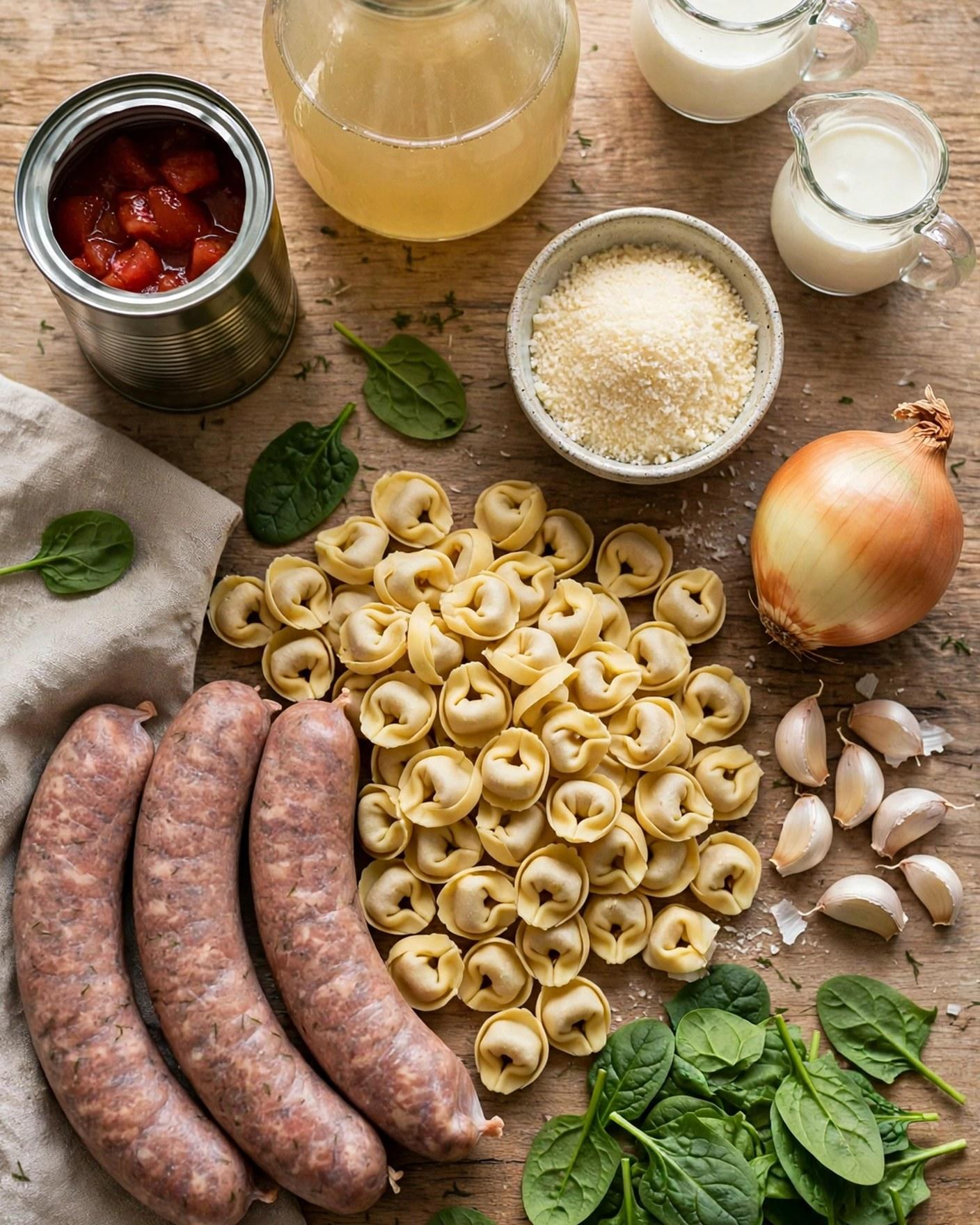
Ingredients
For the soup
- 1 pound (450 g) mild or sweet Italian sausage, bulk, or links with casings removed
- 1 tablespoon olive oil, only if your sausage is very lean
- 1 large yellow onion (about 2 cups / 300 g), finely diced
- 1 medium carrot (about 1/2 cup / 65 g), peeled and finely diced, optional but recommended
- 4 cloves garlic, minced (about 1 1/4 tablespoons)
- 2 tablespoons tomato paste
- 1 1/2 teaspoons Italian seasoning
- 1/2 teaspoon fine sea salt, plus more to taste
- 1/2 teaspoon black pepper, freshly ground if possible, plus more to taste
- 1/4 teaspoon red pepper flakes, optional
- 1 can (14.5 ounces / 411 g) diced tomatoes, with their juices
- 6 cups (1.4 L) low-sodium chicken broth
- 1 bay leaf, optional
- 18 to 20 ounces (510 to 565 g) refrigerated cheese tortellini
- 5 ounces (140 g) fresh baby spinach (about 5 loosely packed cups), or 4 cups (about 120 g) chopped kale, stems removed
For finishing and serving
- 1/2 cup (120 ml) heavy cream
- 1/2 cup (50 g) finely grated Parmesan cheese, plus more for serving
- 1/4 cup (15 g) fresh basil or flat-leaf parsley leaves, torn or chopped, for serving
- Freshly ground black pepper, for serving
- Crusty bread, for serving, optional
Why these ingredients matter
Italian sausage. Sausage is the engine of this soup. Mild or sweet Italian sausage brings fennel, garlic, and gentle herbs already seasoned into the meat, and browning it in crumbles does two jobs at once: it creates savory, caramelized edges and leaves behind flavorful drippings that season everything cooked after it. Bulk sausage is easiest to crumble; if you buy links, slit the casings and squeeze the meat out first. Spoon off any large pool of fat after browning, but leave a thin sheen in the pot — that is flavor you will use for the onion.
Olive oil. You may not need it at all. Most Italian sausage renders enough fat to cook the vegetables comfortably, and the recipe lists the oil only as insurance for a lean batch or a pot that looks dry. Judge by the pan: if there is a glossy coating after the sausage comes out, skip the oil entirely; if the crumbles browned with almost no drippings, add the tablespoon before the onion goes in.
Onion and carrot. Onion is the aromatic foundation, softening into sweetness as it cooks in the sausage drippings and giving the broth a rounded, savory base. The carrot is small but purposeful: finely diced, it disappears into the soup while adding a gentle natural sweetness that balances the acidity of the tomatoes and the salt of the sausage. Dice both vegetables small and evenly so they soften in the same time and never show up as firm chunks in a spoonful of broth.
Garlic. Four cloves, minced and added after the onion has softened, give the soup a warm garlic backbone without any sharpness. Garlic burns quickly in a hot pot, so it goes in for just 30 seconds before the tomato paste and liquid follow — long enough to turn fragrant, never long enough to scorch and turn bitter. Because it then simmers in the broth, its flavor mellows and spreads through the whole pot rather than sitting in one bite.
Tomato paste. Two tablespoons of tomato paste, stirred into the hot vegetables for a minute before the broth goes in, add concentrated tomato depth that canned tomatoes alone cannot give. That brief toasting softens the paste's raw edge, deepens its color, and helps the broth taste rich and cooked rather than thin and tinny. It also contributes a little body, so the finished soup feels substantial around the tortellini.
Italian seasoning, salt, pepper, and red pepper flakes. Italian seasoning delivers the classic oregano-basil-thyme blend that makes the broth read unmistakably as an Italian-style soup. Salt is added in layers — the sausage and Parmesan are both salty on their own — so the amount listed seasons the broth base, and you adjust at the very end once the cheese and cream are in. Black pepper adds gentle warmth, and the optional red pepper flakes are there for a background glow rather than real heat; with mild sausage, a quarter teaspoon spread through six servings is noticeable but kind.
Diced tomatoes. A can of diced tomatoes, juices and all, gives the broth its tomato character and pleasant little pieces that hold up through the simmer. Fire-roasted diced tomatoes are an excellent swap if you have them, adding a faint smokiness that suits the sausage very well. The tomato juices are part of the liquid of the soup, so do not drain the can — tipping everything in keeps the broth balanced and wastes nothing.
Chicken broth. Six cups of broth is the liquid heart of the soup, and low-sodium is the practical choice because sausage, tortellini filling, and Parmesan all bring salt with them. Broth, rather than water, gives the tomato base a savory depth that makes the soup taste complete after a short simmer. The bay leaf — removed before serving — adds a quiet herbal note while the base simmers.
Cheese tortellini. Refrigerated cheese tortellini are the ideal pasta here: small, quick-cooking, and filled, so every spoonful can carry a little pocket of ricotta and Parmesan along with broth, sausage, and spinach. They cook in just a few minutes in the simmering broth, absorbing a little of its flavor as they go. Refrigerated tortellini are preferred for timing and texture; the Variations section covers frozen and dried.
Spinach or kale. Greens bring color, freshness, and a gentle earthiness that keeps a rich soup from feeling one-note. Baby spinach is the fastest option — it wilts in about a minute in the hot broth and needs no chopping. Kale is the heartier choice: chop it, remove the tough stems, and give it three to four minutes of simmering so it softens properly. Either way, the greens go in at the end, after the tortellini, so they keep their color instead of fading during a long cook.
Heavy cream. Half a cup of cream is a finishing touch, not the base of the soup. Stirred in off the fiercest heat at the end, it rounds the tomatoes' acidity, gives the broth a velvety, pale-coral color, and carries the sausage and herb flavors smoothly. Because it goes in last and is only warmed through, the broth stays silky rather than heavy, and the soup still tastes first of tomato and sausage.
Parmesan. Parmesan does double duty: a half cup seasons the bowls, and extra at the table lets each person finish their own portion. Its salty, nutty savoriness ties sausage, tomato, and cheese tortellini together. Freshly grated cheese melts and disperses best; pre-shredded works in a pinch but can feel slightly grainy in a hot broth, so grated is worth it here.
Instructions
- Prepare the ingredients. If your sausage is in links, slit the casings lengthwise and squeeze the meat into a bowl, discarding the casings. Finely dice the onion and carrot, keeping the pieces small and even, and mince the garlic. Measure the Italian seasoning, salt, pepper, and red pepper flakes into a small dish so they can go in together. Open the tomatoes, measure the broth, and have the tortellini and spinach within reach — the garlic, paste, and tortellini steps each take only a minute or two, so having everything ready keeps those moments calm.
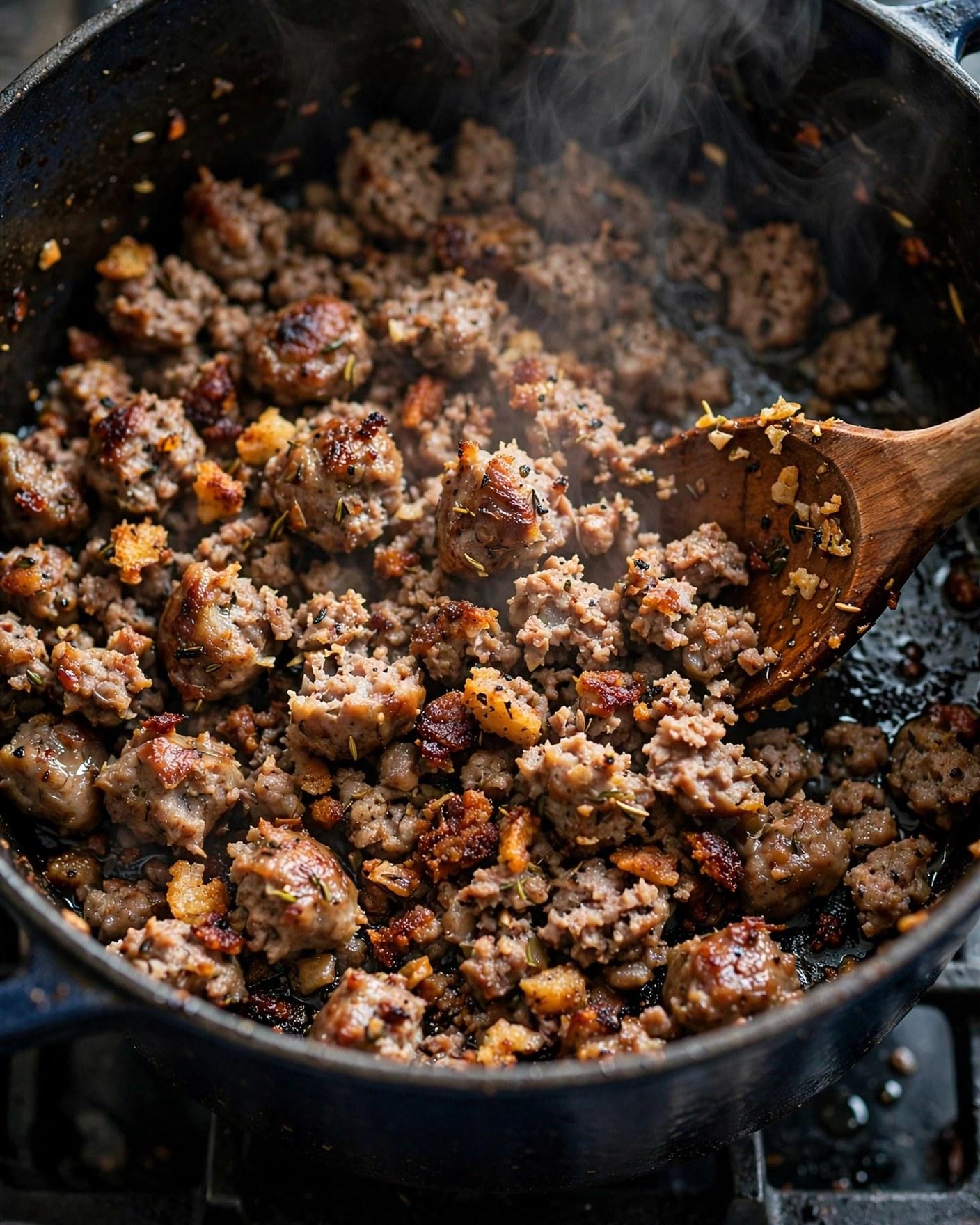
- Brown and crumble the sausage. Set a large Dutch oven or heavy soup pot over medium-high heat. Add the sausage — with the olive oil only if the pot is completely dry and the sausage is very lean — and cook for 6 to 8 minutes, breaking the meat into bite-size crumbles with a wooden spoon as it cooks. Let some pieces sit undisturbed for a minute at a time so they develop deep golden-brown edges; that browning is a major source of the soup's flavor. The sausage should be cooked through, with no pink remaining, and browned in spots. Using a slotted spoon, transfer the sausage to a plate or bowl, leaving the drippings in the pot. If there is a large pool of fat — more than about 2 tablespoons — spoon off the excess, keeping a glossy coating behind.
- Soften the onion and carrot. Reduce the heat to medium. Add the onion and carrot to the same pot, stirring them through the sausage drippings, and cook for 4 to 5 minutes, stirring occasionally, until the onion is softened and translucent at the edges and the carrot has begun to lose its firmness. Scrape the bottom of the pot as you stir; the moisture from the vegetables will start lifting the browned bits left by the sausage, and those bits belong in the broth. If the pot looks dry at any point, add a splash of the broth to loosen things rather than more oil.
- Bloom the garlic, tomato paste, and seasonings. Stir in the garlic and cook for 30 seconds, just until fragrant. Add the tomato paste, Italian seasoning, salt, black pepper, and red pepper flakes if using, and cook, stirring constantly, for 1 to 2 minutes. The paste should darken slightly, coat the vegetables, and smell rich and sweet rather than raw. Toasting the paste and spices briefly in the hot pot wakes up their flavor in a way that simply stirring them into liquid never quite achieves, so do not skip this small step.
- Add the tomatoes and broth, and scrape the pot. Pour in the diced tomatoes with all of their juices and the chicken broth, and add the bay leaf if using. Stir well, scraping the bottom of the pot thoroughly with the wooden spoon to lift every last browned bit into the broth — that fond is pure savory flavor and it also keeps anything from sticking and scorching during the simmer. The broth should already look richly colored and smell like soup at this point.
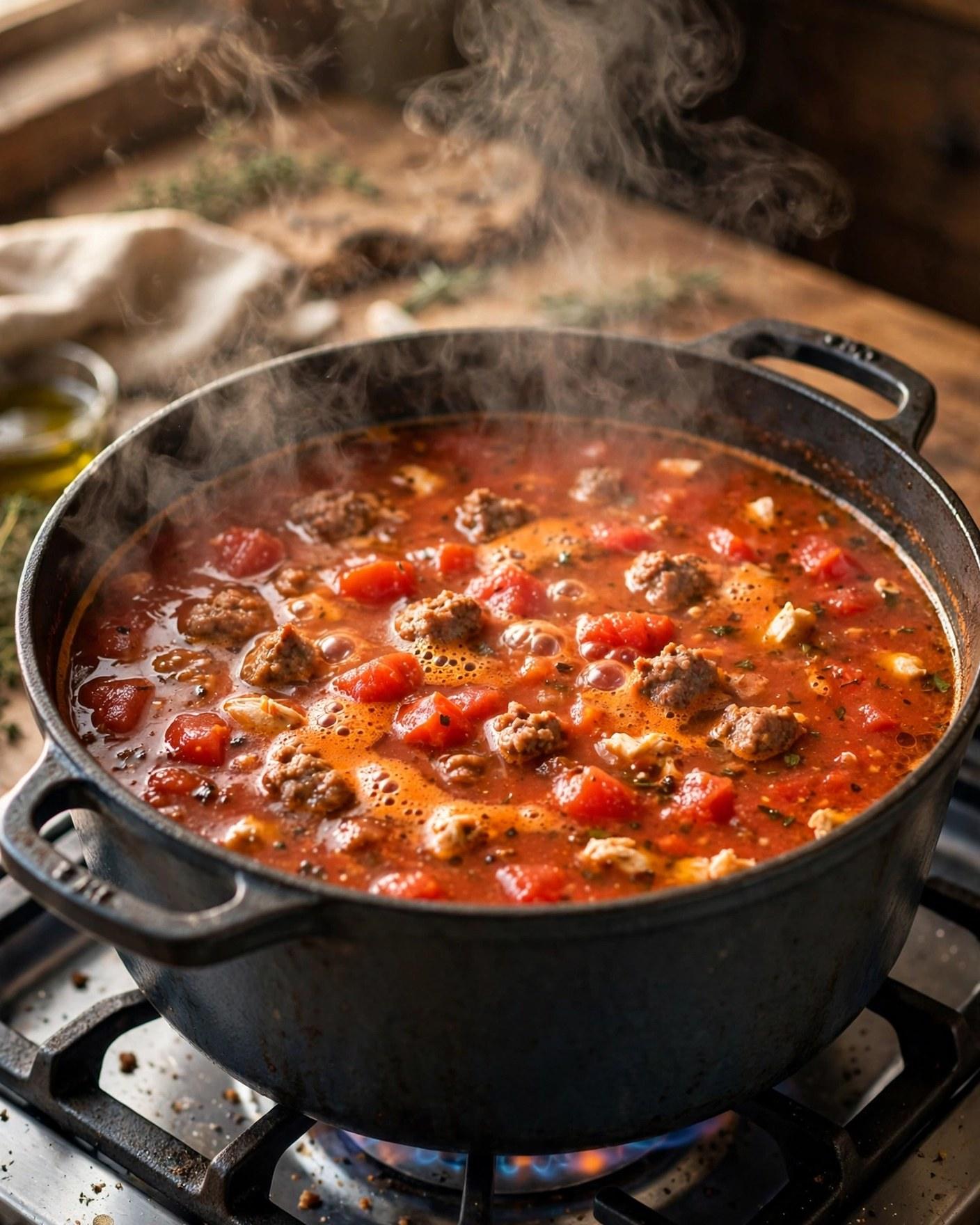
- Simmer the base, then return the sausage. Bring the soup to a gentle boil over medium-high heat, then reduce the heat to maintain a steady, lazy simmer. Stir the browned sausage, along with any juices collected on its plate, back into the pot. Simmer uncovered for 12 to 15 minutes, stirring occasionally, until the onion and carrot are completely tender and the flavors have melded into a cohesive, savory tomato broth. Taste the broth now — before the tortellini, cream, and cheese go in — and note its salt level; it should taste well seasoned but leave a little room for the Parmesan to come.
- Cook the tortellini in the soup. Raise the heat slightly to return the soup to a gentle, active simmer — not a hard, rolling boil, which can burst delicate pasta. Add the cheese tortellini and stir gently so none stick to the bottom or clump together. Cook according to the package directions for your tortellini, usually 3 to 5 minutes for refrigerated, until the pasta is tender and the pieces float and look plump. Taste one to be sure: the pasta should be soft with a gentle bite and the cheese filling hot. Do not walk away during this step and do not extend the simmer to "make sure" — tortellini go from perfect to swollen and split in just a few extra minutes, and they will continue to soften slightly in the hot broth after the pot comes off the heat.
- Wilt the spinach. Reduce the heat to low. Add the baby spinach a few handfuls at a time, stirring after each addition, and let it wilt into the hot soup for 1 to 2 minutes total, until it is bright green and just tender. If you are using chopped kale instead, add it all at once and simmer for 3 to 4 minutes, until the leaves are tender and deep green. The greens will look like a mountain at first and then collapse into the broth — that is exactly right, and it is why they go in only once there is room and heat enough to wilt them quickly.
- Stir in the cream and warm through. Pour in the heavy cream and stir gently until the broth turns a shade paler and looks velvety. Warm the soup over low heat for 1 to 2 minutes, until it is steaming hot throughout, but do not let it come back to a hard boil — a gentle heat keeps the cream smooth and the tortellini intact. If you used the bay leaf, fish it out and discard it now.
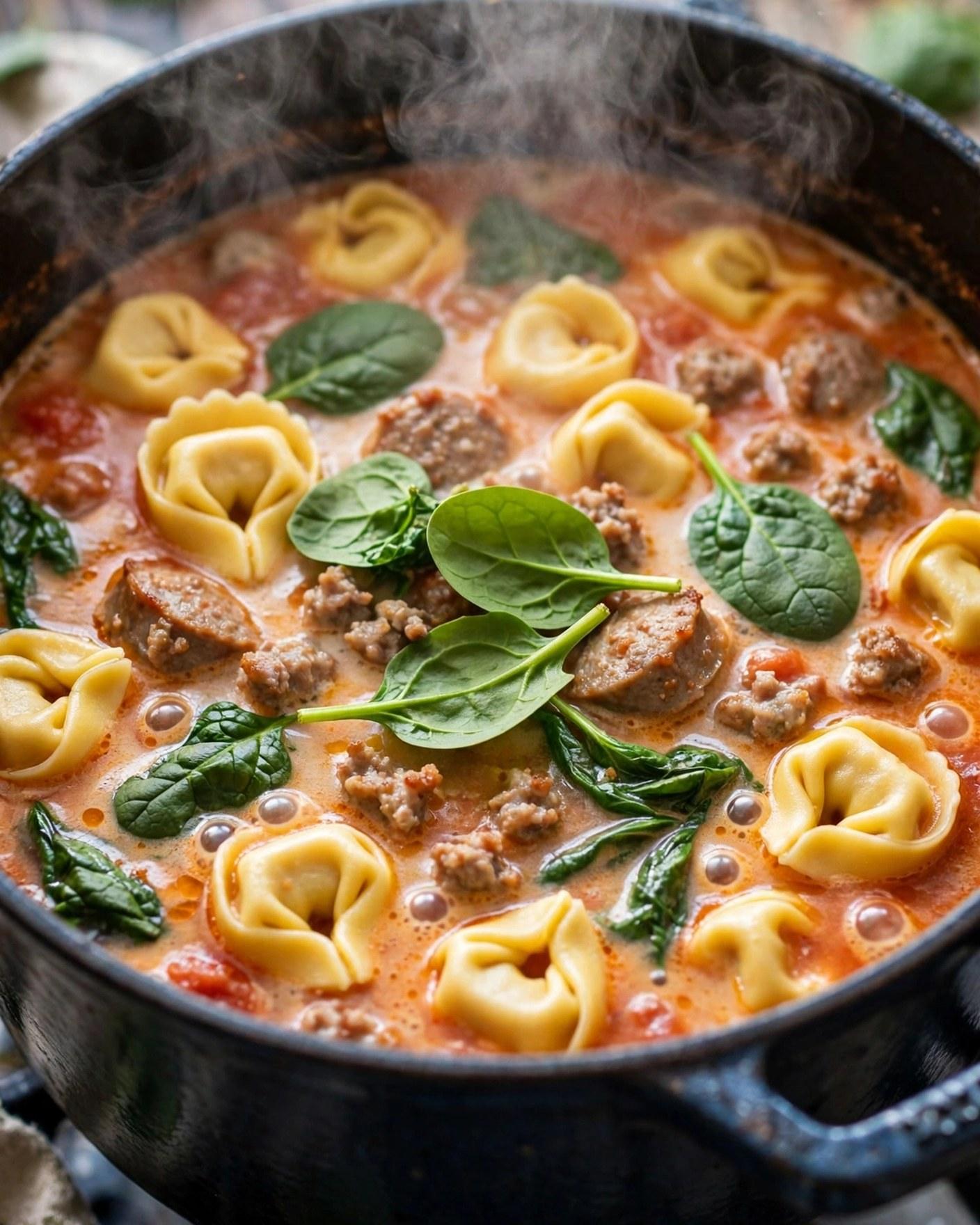
- Taste, adjust, and serve with Parmesan. Taste the finished soup carefully and adjust the salt, black pepper, or red pepper flakes; the right amount of salt makes the tomato taste brighter and the sausage more savory, so season, stir, and taste once more rather than guessing. Ladle the soup into warm bowls, making sure each bowl gets a fair share of tortellini, sausage crumbles, and spinach along with plenty of broth. Finish each bowl with a generous spoonful of grated Parmesan and a scattering of fresh basil or parsley, plus a grind of black pepper. Serve right away, with extra Parmesan and crusty bread at the table for dunking into the creamy tomato broth.
Tips for Success
- Brown the sausage properly, in a hot pot. Color is flavor here. Let the crumbles sit undisturbed for a minute at a time against the hot metal so they caramelize at the edges instead of steaming gray in their own juices. A heavy Dutch oven holds heat well and makes this easy; if your pot is thin, give the sausage a little extra time rather than extra stirring.
- Keep the drippings, manage the fat. The drippings carry the sausage's seasoning into the whole soup, so cook the onion in them rather than wiping the pot. If the sausage was especially rich and the fat pools well beyond a coating, spoon off the excess — you want a glossy base, not a greasy one.
- Toast the tomato paste every time. One to two minutes of stirring the paste with the vegetables and spices removes its raw, tinny edge and deepens the broth noticeably. The paste will darken a shade and smell sweet and concentrated; that is your cue that the liquid can go in.
- Simmer the base before the pasta goes in. Those 12 to 15 minutes of simmering are when onion, carrot, tomato, broth, and sausage become one broth. Adding tortellini to an under-simmered base means the pasta absorbs bland liquid and the soup never quite catches up, so let the base finish first, then cook the pasta briefly in it.
- Treat tortellini timing as strict. Refrigerated cheese tortellini need only a few minutes and keep cooking in the hot broth off the heat. Start checking a minute before the package time, use a gentle simmer rather than a rolling boil, and serve promptly once they are tender and plump — this single habit is the difference between pillowy tortellini and split, soggy ones.
- Add cream off a boil, greens off the clock. Cream stirred into violently boiling soup can look grainy, and spinach left simmering turns olive and tired. Keep the heat low for both finishes: wilt the greens just until bright, stir the cream through just until the broth turns velvety and steams, and serve soon after for the best color and texture.
Variations
- Hot and spicy tortellini soup. Use hot Italian sausage in place of the mild, keep the red pepper flakes, and consider raising them to 1/2 teaspoon. The heat sits comfortably against the cream and cheese, warming each spoonful without overwhelming the tomato. A few extra flakes or a drizzle of chili oil at the table lets heat-lovers adjust their own bowl.
- Kale and white bean version. Swap the spinach for 4 cups (about 120 g) of chopped kale, simmered 3 to 4 minutes as written, and stir in 1 can (15 ounces / 425 g) of cannellini beans, drained and rinsed, along with the returning sausage. The beans make the soup heartier and stretch it further, and their creamy texture sits naturally beside the tortellini.
- Lighter, no-cream soup. Skip the heavy cream and finish with an extra splash of broth and a squeeze of lemon if you like brightness, or stir in 1/4 cup (60 ml) of half-and-half for a middle path. The broth will be a clearer, brighter tomato style — still deeply flavored from the sausage and toasted paste — and the Parmesan at the table restores a little of the richness.
- Frozen or dried tortellini. Frozen cheese tortellini work well: add them straight from the freezer and give them 1 to 2 minutes beyond the refrigerated timing, checking for tenderness rather than watching the clock. Dried tortellini need longer — often 10 to 12 minutes — and absorb more broth, so add up to 1 extra cup (240 ml) of broth and start them a few minutes before the base finishes simmering, so they do not overcook the vegetables while they catch up.
- Turkey or chicken sausage swap. Mild Italian-style turkey or chicken sausage keeps the same fennel-and-herb character with a leaner profile. Because these sausages render little fat, use the olive oil for browning and for the vegetables, and season the broth a touch more assertively at the end, since leaner sausage contributes less richness to the pot.
- Extra-vegetable soup. Add 1 diced zucchini (about 1 cup / 125 g) or 8 ounces (225 g) of sliced mushrooms with the onion and carrot, or stir in 1 cup (150 g) of frozen peas along with the spinach at the end. Keep the broth amount the same for mushrooms and zucchini, which release their own moisture, and serve the soup a little sooner, since extra vegetables make the pot generous and the tortellini wait for no one.
Storage
Let the soup cool until it is no longer steaming, then transfer it to an airtight container and refrigerate promptly. It keeps well for up to 3 to 4 days. One honest expectation: the tortellini keep absorbing broth as the soup sits, so leftovers will be thicker and the pasta softer than when fresh — still delicious, more stew-like, and easily loosened with a splash of broth or water when you reheat. The spinach will darken in storage, which is normal. Keep extra Parmesan and fresh herbs separate and add them when serving.
To reheat, spoon the soup into a saucepan, add 1/4 to 1/2 cup (60 to 120 ml) of chicken broth or water depending on how much it has thickened, and warm it over medium-low heat, stirring gently and occasionally, until it is steaming hot throughout and the tortellini are heated through. Avoid a hard boil, which can split the softened pasta. A microwave works for single servings: heat in short intervals with a splash of liquid, stirring between each, and stop as soon as the soup is hot rather than cooking it further.
Freezing needs one adjustment for the best texture. Tortellini frozen in broth come back soft and sometimes split, and cream-based broths can separate slightly on thawing. For a freezer batch, stop after simmering the base with the sausage — before the tortellini, spinach, and cream — and freeze that base for up to 3 months. To serve, thaw overnight in the refrigerator, bring it to a simmer, and finish with fresh tortellini, greens, and cream as written in steps 7 through 10. Fully assembled soup can be frozen for up to 1 month in a pinch, but the base method is strongly preferred.
FAQ
Can I use frozen tortellini instead of refrigerated? Yes. Add frozen cheese tortellini straight from the freezer — no thawing needed — and expect them to take about 1 to 2 minutes longer than refrigerated, checking a piece for tenderness rather than relying only on the clock. Keep the soup at a gentle simmer rather than a boil, since frozen pasta hitting hot broth can split if the liquid is violent. The rest of the recipe, including the spinach and cream finish, stays exactly the same.
Can I make One-Pot Sausage Tortellini Soup ahead of time? Yes, with one timing adjustment for the best texture. The fully assembled soup keeps 3 to 4 days in the refrigerator and reheats well, but the tortellini will absorb broth and soften as it sits. For a true make-ahead, cook the sausage and broth base through step 6, refrigerate it for up to 3 days, then reheat to a simmer and add the tortellini, spinach, and cream fresh when you are ready to serve — the soup will taste newly made, because the delicate parts are.
How do I make the soup spicier, or swap the spinach for kale? For more heat, start with hot Italian sausage and raise the red pepper flakes to 1/2 teaspoon; you can always pass extra flakes at the table. To use kale instead of spinach, remove the tough stems, chop the leaves into bite-size pieces, and add them in step 8 in place of the spinach, simmering 3 to 4 minutes until the leaves are tender and deep green. Baby kale behaves more like spinach and wilts in about 2 minutes if you happen to have that instead.
Can I make this soup without cream? Absolutely. The cream is a finishing enrichment, not a structural ingredient, so you can leave it out and serve a brighter, clearer tomato broth — add an extra splash of broth if the soup looks thicker than you like, and lean on the Parmesan at the table for richness. For a middle option, half-and-half or a few spoonfuls of plain Greek yogurt stirred in off the heat, without boiling, both soften the broth gently; yogurt should never be boiled, or it can curdle and turn grainy.

Recipe Card
One-Pot Sausage Tortellini Soup
- Prep Time: 15 minutes (PT15M)
- Cook Time: 30 minutes (PT30M)
- Total Time: 45 minutes (PT45M)
- Servings: 6 servings
- Calories: 540 kcal per serving (estimated)
Crumbled mild Italian sausage browned in one pot, then simmered in a creamy tomato and chicken broth with onion, carrot, garlic, and Italian herbs. Cheese tortellini cook right in the broth at the end, spinach wilts in just before serving, and every bowl is finished with Parmesan and fresh basil.
Nutrition (estimated): 540 kcal per serving (estimated, for soup with cheese tortellini, spinach, cream, and Parmesan), 42 g carbohydrates, 24 g protein, 30 g fat, 4 g fiber, 8 g sugar, 980 mg sodium. Nutrition is estimated and will vary with the exact sausage, tortellini brand and filling, broth, and cream used, and with any variations or substitutions.
Can I use frozen tortellini instead of refrigerated?
Yes. Add frozen cheese tortellini straight from the freezer — no thawing needed — and expect them to take about 1 to 2 minutes longer than refrigerated, checking a piece for tenderness rather than relying only on the clock. Keep the soup at a gentle simmer rather than a boil, since frozen pasta hitting hot broth can split if the liquid is violent. The rest of the recipe, including the spinach and cream finish, stays exactly the same.
Can I make One-Pot Sausage Tortellini Soup ahead of time?
Yes, with one timing adjustment for the best texture. The fully assembled soup keeps 3 to 4 days in the refrigerator and reheats well, but the tortellini will absorb broth and soften as it sits. For a true make-ahead, cook the sausage and broth base through step 6, refrigerate it for up to 3 days, then reheat to a simmer and add the tortellini, spinach, and cream fresh when you are ready to serve — the soup will taste newly made, because the delicate parts are.
How do I make the soup spicier, or swap the spinach for kale?
For more heat, start with hot Italian sausage and raise the red pepper flakes to 1/2 teaspoon; you can always pass extra flakes at the table. To use kale instead of spinach, remove the tough stems, chop the leaves into bite-size pieces, and add them in step 8 in place of the spinach, simmering 3 to 4 minutes until the leaves are tender and deep green. Baby kale behaves more like spinach and wilts in about 2 minutes if you happen to have that instead.
Can I make this soup without cream?
Absolutely. The cream is a finishing enrichment, not a structural ingredient, so you can leave it out and serve a brighter, clearer tomato broth — add an extra splash of broth if the soup looks thicker than you like, and lean on the Parmesan at the table for richness. For a middle option, half-and-half or a few spoonfuls of plain Greek yogurt stirred in off the heat, without boiling, both soften the broth gently; yogurt should never be boiled, or it can curdle and turn grainy.

Hi, I’m Emma! I’m the cook and recipe developer behind Sizzle & Sage. From my sunny home kitchen, I share easy, flavor-packed recipes for real life — quick breakfasts, cozy weeknight dinners, and simple bakes anyone can make. Pull up a chair and stay a while!